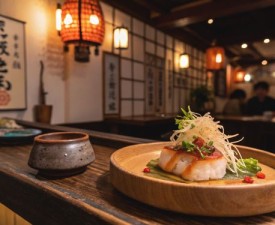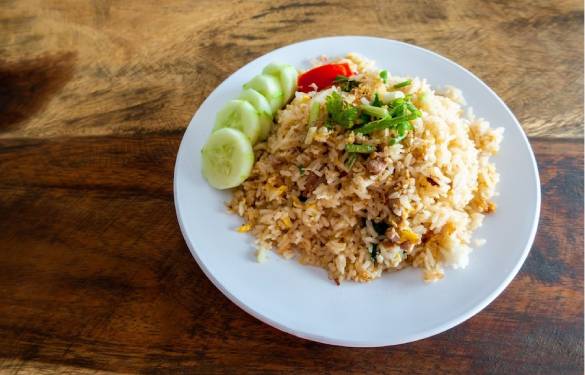
Indonesia's culinary diversity is a vibrant tapestry woven from centuries of cultural influences. Indonesian cuisine offers a captivating journey for expatriates exploring its culinary landscape.
The allure lies not only in the tantalizing tastes and textures but also in the cultural narratives woven into each dish. For expatriates, Indonesian food provides a gateway to understanding the country's history, traditions, and the warmth of its people.
Join us as we delve into the must-try dishes that define Indonesia's gastronomic richness!
1. Nasi Goreng
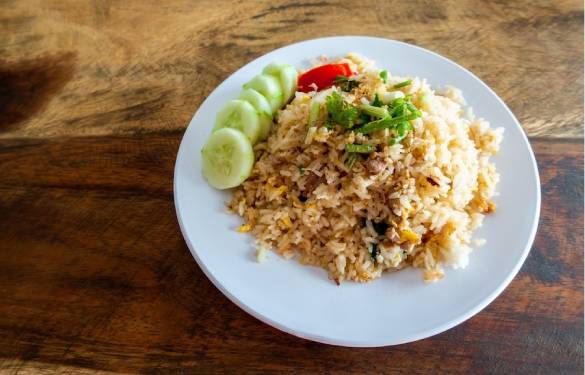
Nasi Goreng, literally meaning fried rice, holds a revered status as Indonesia's national dish, embodying the country's culinary identity. Originating from humble beginnings as a way to utilize leftover rice, it has evolved into a versatile dish enjoyed across Indonesia and beyond.
Each region offers its own unique spin on Nasi Goreng, reflecting local ingredients and cooking styles. From the fiery Nasi Goreng Jawa of Java, enriched with sweet soy sauce and topped with a fried egg, to the aromatic Nasi Goreng Aceh from Sumatra, infused with spices and often paired with.
Consider these tips when choosing Nasi Goreng: Seek out eateries frequented by locals, where chefs meticulously balance flavors and textures; opt for versions incorporating freshly-made rice for optimal texture and taste; and don't hesitate to customize with additional condiments like pickles or krupuk for added crunch and flavor.
2. Sate
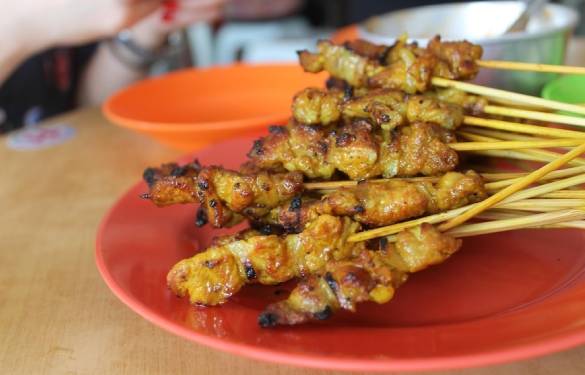
Sate, an Indonesian culinary staple, embodies the essence of grilled perfection. It consists of skewered and grilled meats, typically chicken, beef, or lamb, marinated in a blend of spices that vary by region but often include turmeric, coriander, and lemongrass. Seafood variants like shrimp or fish are also popular in coastal regions.
Each skewer is grilled over charcoal, imparting a smoky aroma that enhances the savory flavors. Exploring sate isn't just about the food—it's an immersion into Indonesian street culture. Traditional warungs (street-side stalls) offer the best sate experience, where diners sit under simple canopies, surrounded by the tantalizing scent of grilling meats.
The ritual of dipping each skewer into a tangy peanut sauce, accompanied by steamed rice or lontong (compressed rice cakes), completes the sensory delight. Whether in bustling cities or tranquil villages, sate serves as a delicious testament to Indonesia's culinary prowess and communal dining traditions.
3. Gado-gado: Indonesia's Signature Salad
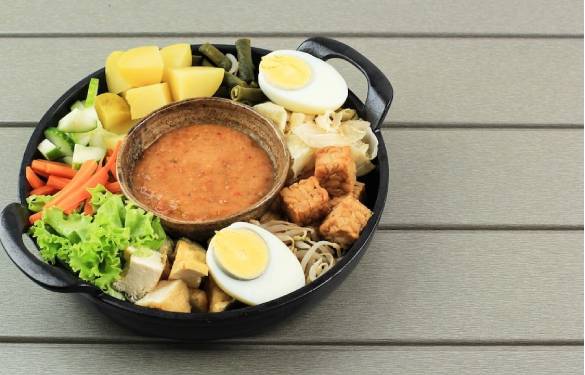
Gado-gado stands as the quintessential Indonesian salad, celebrated for its rich flavors and varied textures. This dish typically features a medley of blanched vegetables such as bean sprouts, spinach, and cabbage, combined with boiled eggs, tofu, and tempeh, all drizzled with a distinctive peanut sauce.
The sauce, a key component, blends ground peanuts with palm sugar, tamarind juice, and a hint of chili, creating a creamy yet tangy dressing that elevates the salad's taste profile. What distinguishes gado-gado is its harmony of flavors—crunchy vegetables, tender proteins, and the robust peanut sauce.
4. Rendang
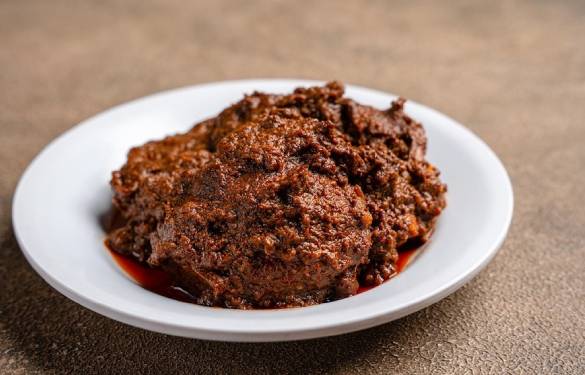
Rendang, originating from the lush lands of Sumatra Barat in Indonesia, holds rich historical and cultural significance. It is believed to have been brought to the region by Minangkabau migrants centuries ago, evolving into a culinary masterpiece known for its complex flavors and meticulous cooking process.
This dish is renowned for its slow-cooking method, where beef is simmered for hours in a blend of coconut milk and a medley of spices such as lemongrass, galangal, garlic, turmeric, and ginger.
The slow cooking not only tenderizes the meat but also allows the spices to meld, creating a deeply aromatic and flavorful sauce. The sensation of rendang is a harmony of savory, sweet, and spicy notes, reflecting the intricate balance of Indonesian culinary tradition.
5. Soto
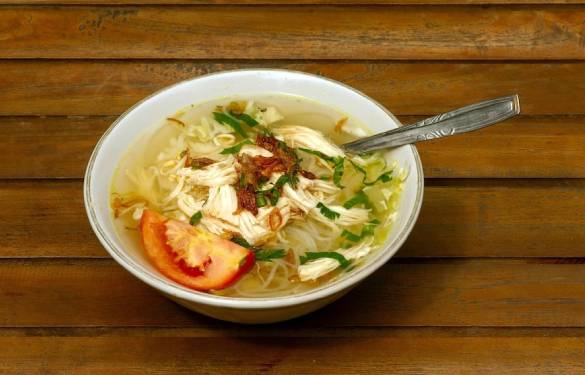
Soto stands as a quintessential Indonesian dish, revered for its rich flavors and regional variations. This traditional soup reflects the country's diverse culinary heritage, with each region offering its own unique twist on the recipe.
From the hearty Soto Betawi of Jakarta, known for its coconut milk-based broth and tender beef, to the aromatic Soto Ayam of Java, featuring chicken in a turmeric-infused broth, every bowl tells a story of local ingredients and cooking traditions.
Traditionally, soto is enjoyed with a myriad of accompaniments that elevate its taste—freshly squeezed lime juice for a tangy kick, emping crackers for texture, and sambal for a spicy punch.
6. Martabak

Martabak is a beloved Indonesian snack that comes in two main varieties: sweet (martabak manis) and savory (martabak telur). Martabak manis is a sweet treat, often filled with a delightful combination of chocolate, cheese, nuts, and condensed milk, all encased in a thin, crispy pancake-like dough.
On the other hand, martabak telur is a savory version filled with minced meat (usually beef or chicken), eggs, green onions, and sometimes cheese. One of the unique aspects of martabak is its regional variations across Indonesia.
In Jakarta, for example, martabak telur tends to be larger and thicker, with a generous filling of eggs and minced meat, while in Bandung, it might be thinner with a spicier seasoning.
Discover Flavors, Culture, and Comfort with Piga.co.id!
As you explore Indonesia's culinary landscape, you're embarking on more than just a gastronomic journey—you're immersing yourself in a tapestry of flavors that reflect centuries of cultural richness and diversity.
Ready to experience these culinary delights firsthand? Let your taste buds guide you through the vibrant streets and local eateries. And while you're at it, ensure your stay in Indonesia is as comfortable as your dining experience.
Visit Piga.co.id today to discover apartments that offer the perfect blend of convenience and cultural immersion. Your adventure in Indonesia awaits!