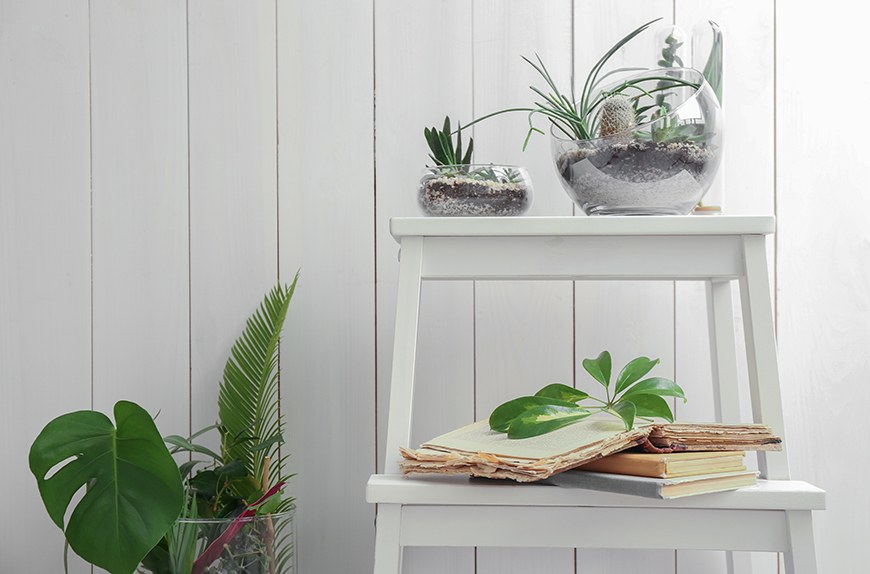
Living in an apartment doesn't mean you can't build your mini garden. Indoor gardens can produce a great ambience and create a fresh look for your space. Not only that, you can make gardening a habit as your new hobby! Try to make your mini garden with these tips to make an indoor garden in your apartment.
- Determine plant's location
You need to make a layout plan for your mini garden. Since most plants are better outdoors, you should maximize their location close to the balcony or windows. Search for the east-facing window on your apartment. You also need to classify indoor plants into those that like low, medium, or bright light. You need to position plants closer or further to the window, depending on their light requirement. Determine the plant's location by light needs and your apartment's lighting position. Not only that, you need to make sure that the place for your plant has a humid environment. You can prepare a spray bottle or put some water near plants to absorb the water through humidity in the air. If you're planning to use a humidifier for your plants, make sure you don't use it too often because it could develop a mold problem. - Look for the best lighting condition for your plants:
Each plant has a different light absorption need for its growth. If you have difficulties looking for a lighting source, you can use artificial lighting for your plants. Use indoor lighting if possible. Determine the bulb's color for the temperature to mimic your plant growth. You need to pay attention to the bulb's wavelength. There are blue, green, yellow, orange, and red wavelengths. Each color represents the heat level in order. Blue wavelength means low heat, to the red wavelength represents a high temperature of heat. You also need to know what type of plants you choose before preparing for the gardening setup. - Choosing a plant for indoor gardening
If you want to be safe, you can choose plants with low maintenance (low light and watering needs) like philodendron, bird's-nest fern, and snake plant, for example. Generally, a house plant doesn't require much care and doesn't drop leaves or make a mess. Some of them need enough humidity, though. Even when they're not accustomed to bright light and high heat, you need to maintain constant moisture in your room. Some plants that need this are happy bean, scarlet star, and old lady cactus.
Some other plants that you might want to check: ZZ plants, spider plants, English ivy, bamboo palm, string-of-pearls, elephant ear plants, African violets, baby toes plants, and bunny ears cactus. Try to research your plants before you buy them. - Use the suitest container for each plant
No matter what type of pot you use, you should prioritize your plant's size and make sure it has proper drainage. Growing in soil with good drainage is excellent for plants' health and growth. When you use containers that don't drain, the soil will stay moist longer because there's no place for the water to escape. The root will not breathe properly due to wet and soggy soil, which could damage your plant. Also, if you buy a plant that comes with the pots, make sure you don't replace it with the wrong pots since it usually comes at the size originally came in.
Don't forget to re-pot them. Typically, plants need to be re-potted every 12 - 18 months, depending on their growth sizes. It is recommended to re-pot your houseplants in the spring, the beginning of the growing season for plants. You can also use window boxes or hanging baskets to beautify your garden's layout. - Maintain your garden to be as healthy as possible:
First and foremost, you need an exact watering schedule to check the soil. Any bad signs on your plants should be avoided immediately, especially the plant with fungus on it. Bringing this to your indoor garden could be dangerous to fungi spreading. In general, they can spread by wind and water splash. It could damage any plants around the infected. And also, keep your plant's leaves clean from dust. You can use a soft brush to keep them away from debris. Any object which blocks the sun ray will slow the growth process for your plants. Fertilize your plant, too! Each specific indoor plant has different needs for fertilizer frequency. There are also other types of fertilizer. But the best suited for an indoor garden is liquid fertilizer.