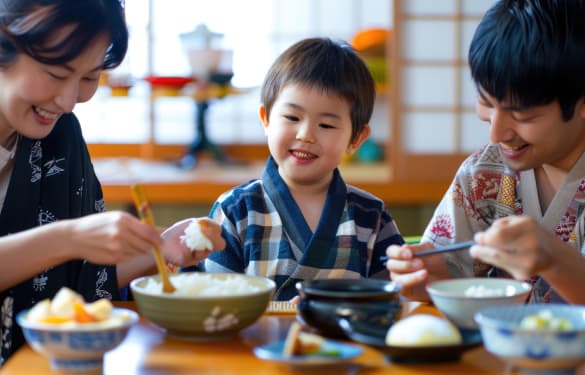
In Japan, there is a profound philosophy that is always practiced during mealtime. It is called Shokuiku. This holistic and enjoyable concept has been passed down from generation to generation. From children to adults, Japanese people deeply value this cultural and nutritional education. This approach offers a bright solution for parents worried about children who are picky eaters. Concerns about unbalanced nutrition can be addressed in a smart, non-forceful way.
Sounds interesting, right? How about getting to know the principles of Shokuiku more closely? Let’s dive into the full explanation below!
Also Read: Moegi Kindergarten: Raising a Golden Generation with Japanese Education at PIGA
Understanding Shokuiku, the Foundation of Balanced Nutrition in Japanese Families
The philosophy of Shokuiku is not just a theory. It has become an inseparable part of daily life in Japan, practiced both at school and at home.
What is Shokuiku?
Shokuiku means “food education.” It goes beyond balanced meals and calorie counting. This philosophy holistically teaches children about nutrition, eating etiquette, and even the origins of the food they consume. With this approach, children not only understand what foods are good for their bodies but also learn to appreciate every dish served. The result? They grow up with a deep understanding of the meaning of food, form positive habits, and maintain balanced eating patterns well into adulthood.
Why is Early Nutrition Education So Crucial for Children?
Childhood is a golden period where many habits are formed permanently. That’s why early nutrition education is essential. It creates lifelong positive impacts. Through Shokuiku, future health problems such as obesity or malnutrition can be prevented. Children with a solid understanding of nutrition also tend to be more focused in their studies and build a healthy relationship with food, free from pressure or force.
Practical Steps for Busy Parents to Start Shokuiku
Applying Shokuiku may sound complicated, especially for busy parents. But don’t worry! The concept can be started with small, simple steps after work or on weekends. Here are some practical ideas you can try, perfect for quality bonding time with your little ones!
Involve Children in the Food Preparation Process
Invite your kids to become “little chefs” in the kitchen. Give them simple and safe tasks, such as washing vegetables, stirring batter, or setting the plates. When children are directly involved, they feel proud and are more willing to try the food they helped prepare. It’s also an effective way to create meaningful, unforgettable family moments.
Choose Fresh, Quality Ingredients Together with Your Child
A supermarket trip can be turned into an educational adventure. Take your kids to pick vegetables, fruits, or protein sources. Explain the colors, textures, and benefits of each ingredient. At Papaya Fresh Gallery, conveniently located at Pondok Indah Golf Apartment, you can find authentic Japanese ingredients without leaving the area.
For example, you can shop for soft tofu, daikon radish, edamame, or salmon. This helps children learn the origins of food and the importance of choosing fresh ingredients from an early age.
Create a Positive and Supportive Mealtime Atmosphere
The dining table should be a comfortable, enjoyable place. Avoid distractions like gadgets and focus on lighthearted family conversations. Do not force your children to finish their food. Instead, let them listen to their body’s signals. A positive atmosphere reduces mealtime stress and fosters a healthy, lasting relationship with food.
Simple Japanese Recipes Kids Will Love
Now, let’s bring Shokuiku to life in the kitchen with your children! Start with simple, delicious, and nutritious Japanese recipes that kids are sure to enjoy.
Recipe 1: Onigiri with Salmon and Vegetables
Onigiri (rice balls) are one of the easiest and most fun recipes to make with kids. Let them shape rice into balls or triangles and fill them with steamed salmon or chopped vegetables. This snack is not only a great source of carbs, protein, and fiber but also makes for a nutritious and appealing school lunch.
Recipe 2: Tamagoyaki (Rolled Omelet) with Spinach
Tamagoyaki is a soft, rolled omelet with a slightly sweet taste, a clever way to sneak in vegetables that kids often reject. Finely chop spinach and mix it into the egg batter before cooking. With its fluffy texture and delicious flavor, children will enjoy the veggies without feeling forced.
Recipe 3: Miso Soup with Tofu and Wakame (Seaweed)
Introduce your kids to miso soup, a warm, savory dish served in almost every Japanese household! This soup is packed with nutrients from ingredients like soft tofu, wakame seaweed, and miso paste. It is also rich in probiotics, which are excellent for digestive health. With miso soup, children become familiar with authentic and healthy umami flavors.
Also Read: Easy, Delicious, and Healthy Japanese Home Cooking Ideas!
Make Shokuiku a Long-Term Family Habit
The key to Shokuiku is consistency. Start small and gradually, healthy eating will naturally become part of your family culture. Parents play a central role. Show enthusiasm while cooking and trying new foods. By observing your positive behavior, children will learn to value food and build a healthy relationship with it for life.
Supporting Shokuiku Principles at Pondok Indah Golf Apartment
Pondok Indah Golf Apartment offers an early childhood education and development center at Moegi Kindergarten! Adopting Japanese-style teaching to nurture a golden generation, Moegi Kindergarten provides a holistic approach in every activity, including Shokuiku learning. For practicing Shokuiku at home, you can conveniently shop for fresh, high-quality Japanese ingredients at Papaya Fresh Gallery. Everything you and your children need to explore this principle is available within the Pondok Indah Golf Apartment area!
Visit the Pondok Indah Golf Apartment website to learn more about the premium facilities, amenities, and available residential units! For further information, please contact PIGA through the following:
- Phone: +62 21 7661122
- Direct Phone: +62 21 7661777
- WhatsApp: 085607661777
- Fax: +62 21 7658611, 7658512
- Email: info@piga.co.id