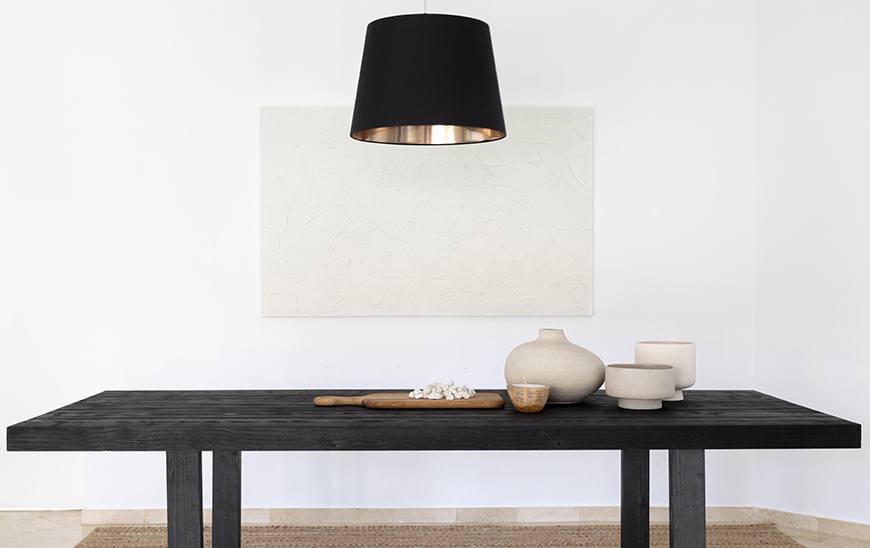
Feng shui may appear esoteric to the uninitiated. Dig deeper into the philosophy behind it, and you'll discover that it's not only based on simple, common-sense practices that make our homes healthier and more organized, but it also reveals how connected we are to our homes—and how they can affect our mood and well-being. The goal of feng shui is to create a harmonious living area by following its rules. This is one of the strategies to make your environment assist you in recharging your batteries and feel good.
If you find it difficult to establish the proper feng shui in your home, here we make a list of general feng shui tips for your space.
- Front Door
The main door is considered the entrance of "Chi" energy. You want to have a strong front door so that positive energy can enter your home. When this energy flow into your home, it brings with abundance and ease. A good front door should open into a large space rather than a cramped or small door. The energy will be stagnant if your front door does not fully open, and it is believed that opportunities may also not "open" for you. Remove any objects from behind your front door. Doing otherwise will destroy the feng shui of your entire house. - Living Room
It is also important to ensure your living room space has good feng shui and is welcoming to all who enter it. You can traditionally clear the space by ringing bells, or open up all the windows for nine minutes. Don't forget to declutter your stuff and make some space. Some people believe that putting a balance within five elements of color can create good feng shui, too. And alternatively, you can put some living green plants to bring life energy into your home. - Kitchen
Kitchen is one of the most important places to look for good feng shui. First, you want to place the stove that allows you to see the door. As the stove represents resources and career to nourish your success. Eliminating awkward spaces in the kitchen can be helpful too for creating a good feng shui. Remove broken items, as they can bring bad energy to your home. And lastly, constantly clean and organize your stuff in the kitchen. For the color, white is the best color for kitchens, as it represents cleanliness. You can also consider choosing the best feng shui colors from the five elements. - Bedroom
Your bedroom should be only for your sleep oasis to rest and relax. You should maximize its feng shui, since you spend eight hours a day on a daily basis. Locate your bed in a position of command—allows you to see the door. This will allow you to see what's coming in life. You might also want to consider putting the TV outside the bedroom. But if you have one in there, conceal the television when not in use. The electronic nature of your television can disrupt the quiet energy needed for your sleep. Choose the neutral and subtle color schemes to support the quiet energy. And more importantly, remove unrelated items in your bedroom to help you calm down before sleeping. - Bathroom
Most of the bathrooms are considered challenging in feng shui. Bathrooms were once considered a place of uncleanliness and illness. You wouldn't want the latrine, or the location where you disposed of bathroom waste, to be close to your home. Bathrooms were not yet the beautiful, shining clean, spa-like places that they are today when feng shui was founded. Another reason to pay attention to the location of bathrooms in a house is that they handle a lot of water. The water element is linked to your success and how energy arrives to you in feng shui. As a result, it's important to pay attention to the drains and other locations in your property where water can leak. You need to always keep the bathroom closed to prevent negative energy from entering the house. Locate your bathrooms away from living, dining, and kitchen room. Lastly, keep things organized by providing cabinets and shelves.